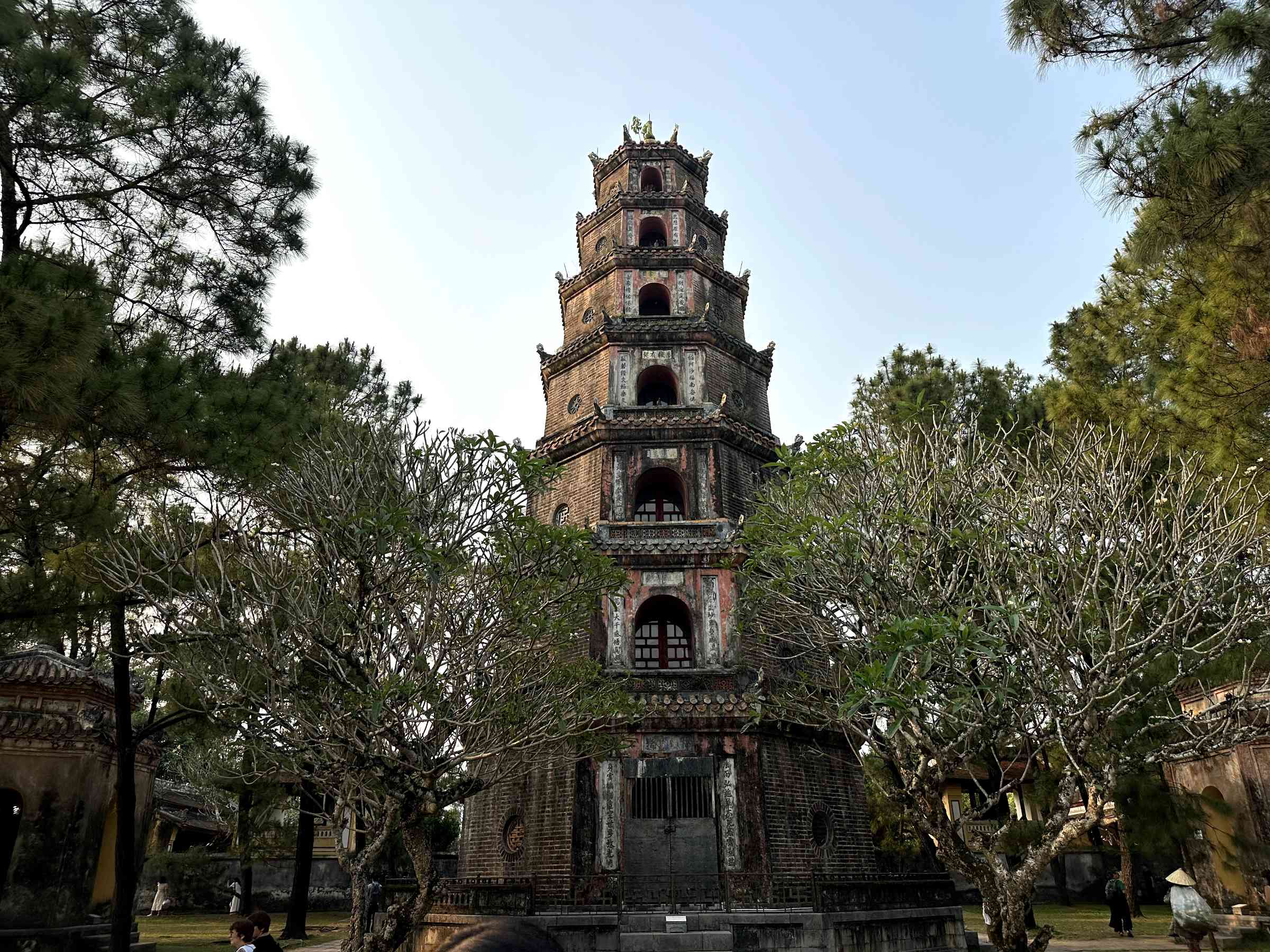
There are places we think we know so well that we sometimes forget to truly touch them again. As a child of Hue, I honestly couldn't remember the last time I walked through the Noon Gate (Ngọ Môn).
That was until a mid-March morning, when the spring breeze still lingered over the Huong River and the sunlight began to turn honey-sweet over the green canopy. I decided to return to the Imperial City—not as a professional, but as a local rediscovering memories buried under layers of moss.
Feeling "Small" Before the Grandeur of Ancestors
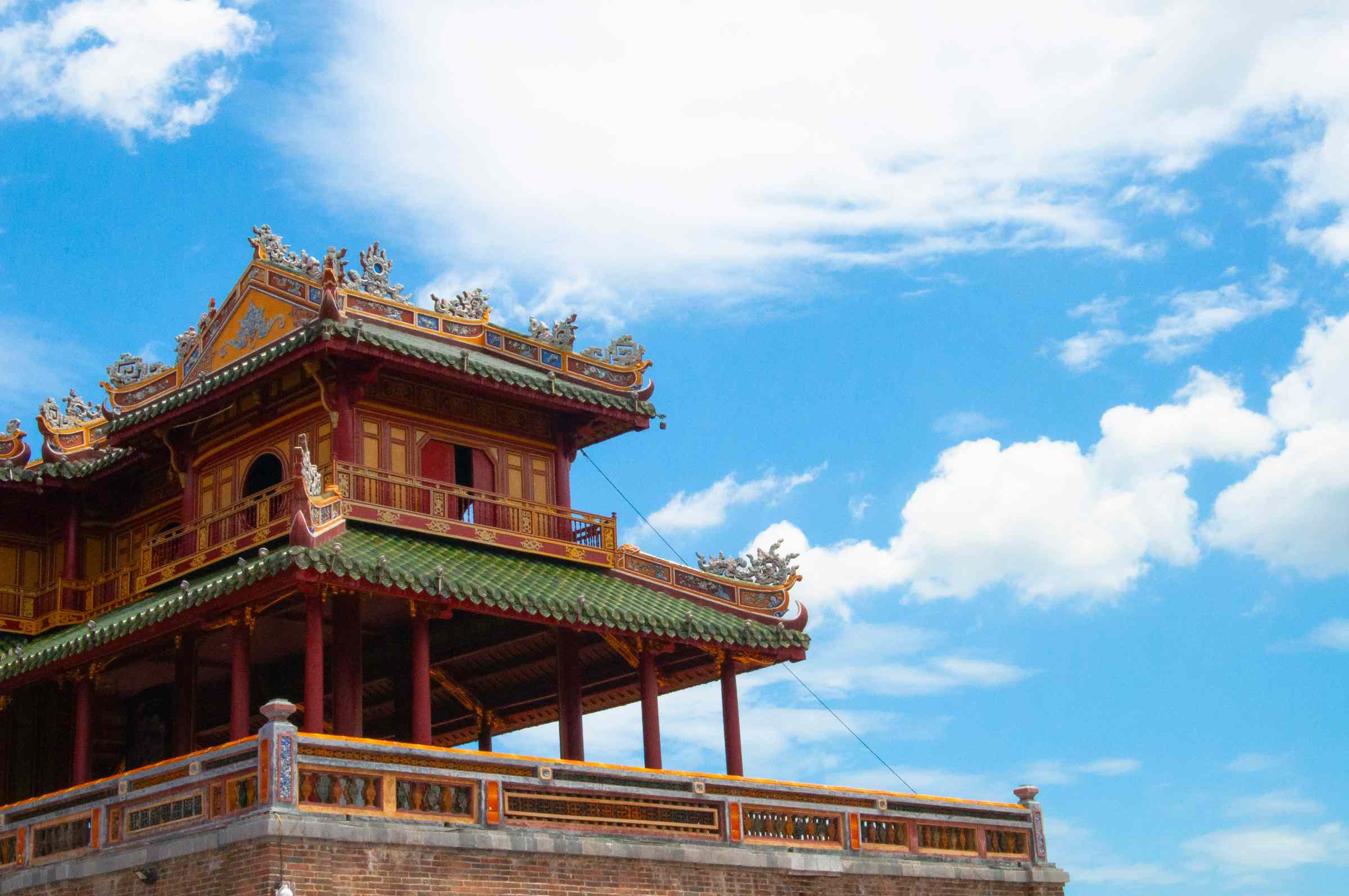
No matter how many cities I travel to or how many modern skyscrapers I stand before, I always feel remarkably small at the foot of the Imperial City walls.
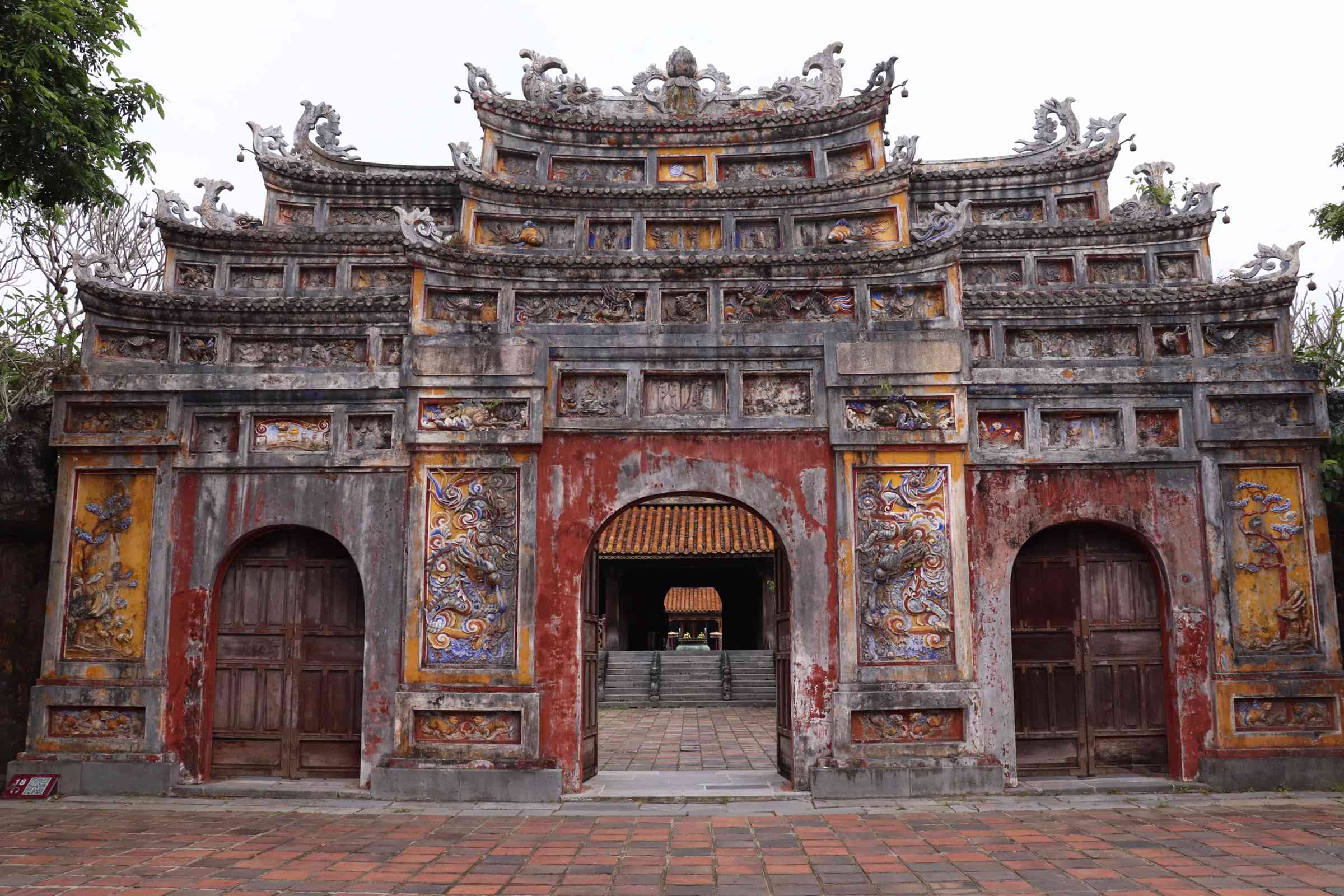
That sense of smallness doesn't come from overwhelming concrete and steel; it comes from the weight of time and the meticulous craftsmanship of human hands. Looking up at the intricately carved dragons and phoenixes, or the mosaic porcelain shards carefully inlaid on the palace roofs, I found myself pausing: How much toil did our ancestors endure to build such a monumental masterpiece amidst the nature of the Ancient Capital?
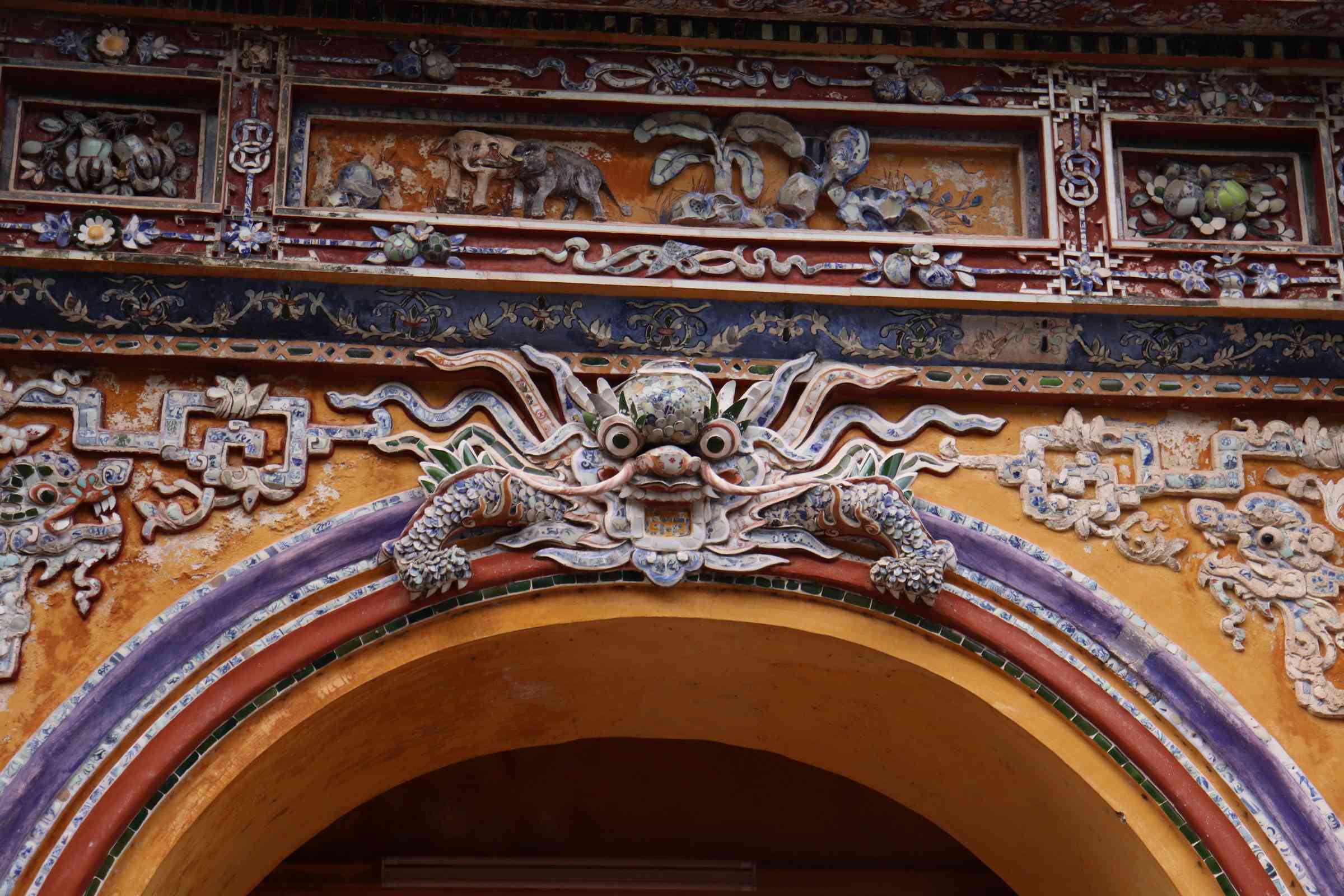
"Every brick, every motif is more than just material; it is the sweat, the intellect, and the artistic soul of a dynasty that has long since receded into the past."
Empty Spaces and Subtle Changes
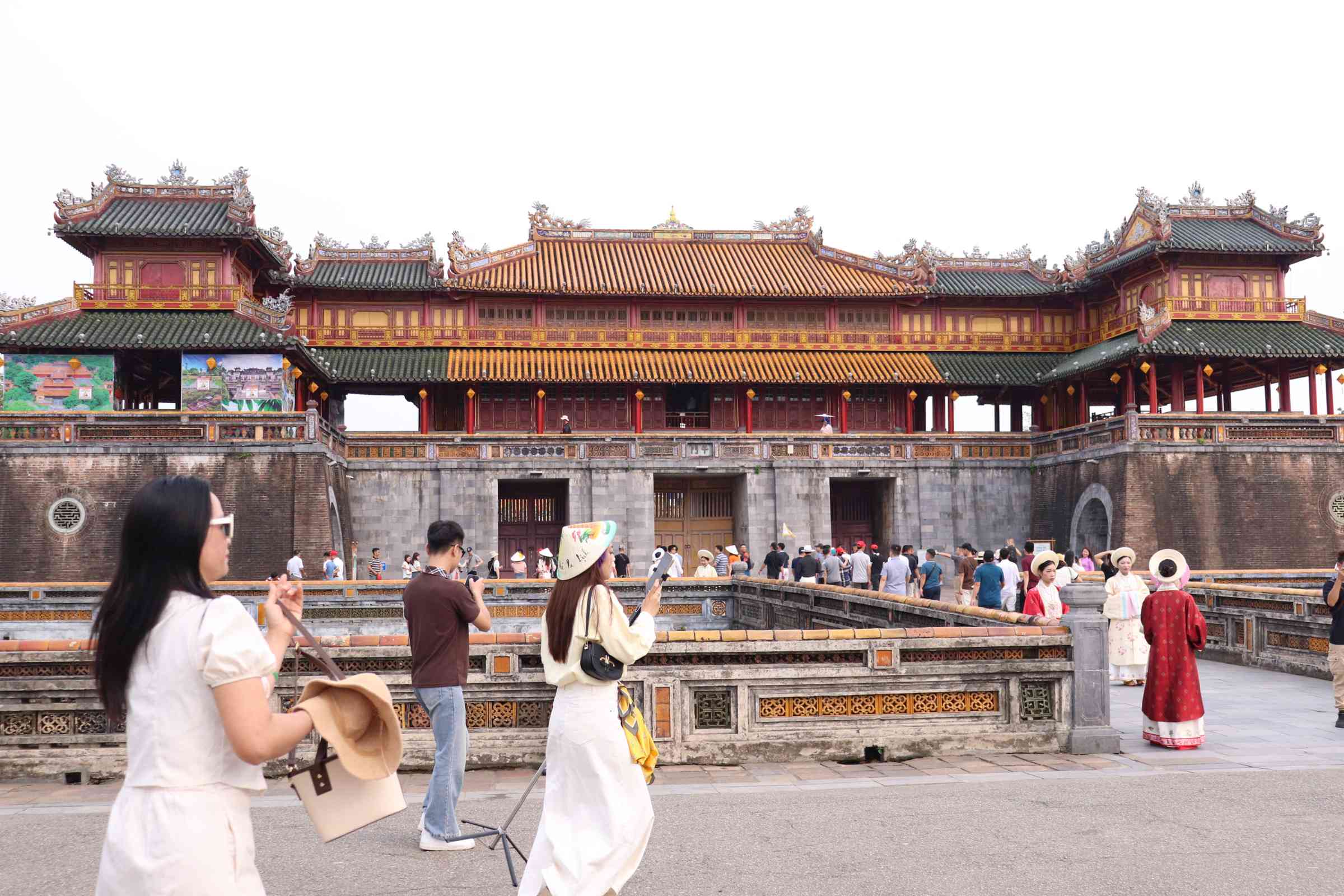
The Imperial City today feels different from my childhood memories. I clearly remember being a kid and rushing to see the elephants kept inside the citadel. That image was an inseparable part of many Hue children's memories. Today, the elephants are gone, returning a sense of quietude and solemnity to the Royal Palace.
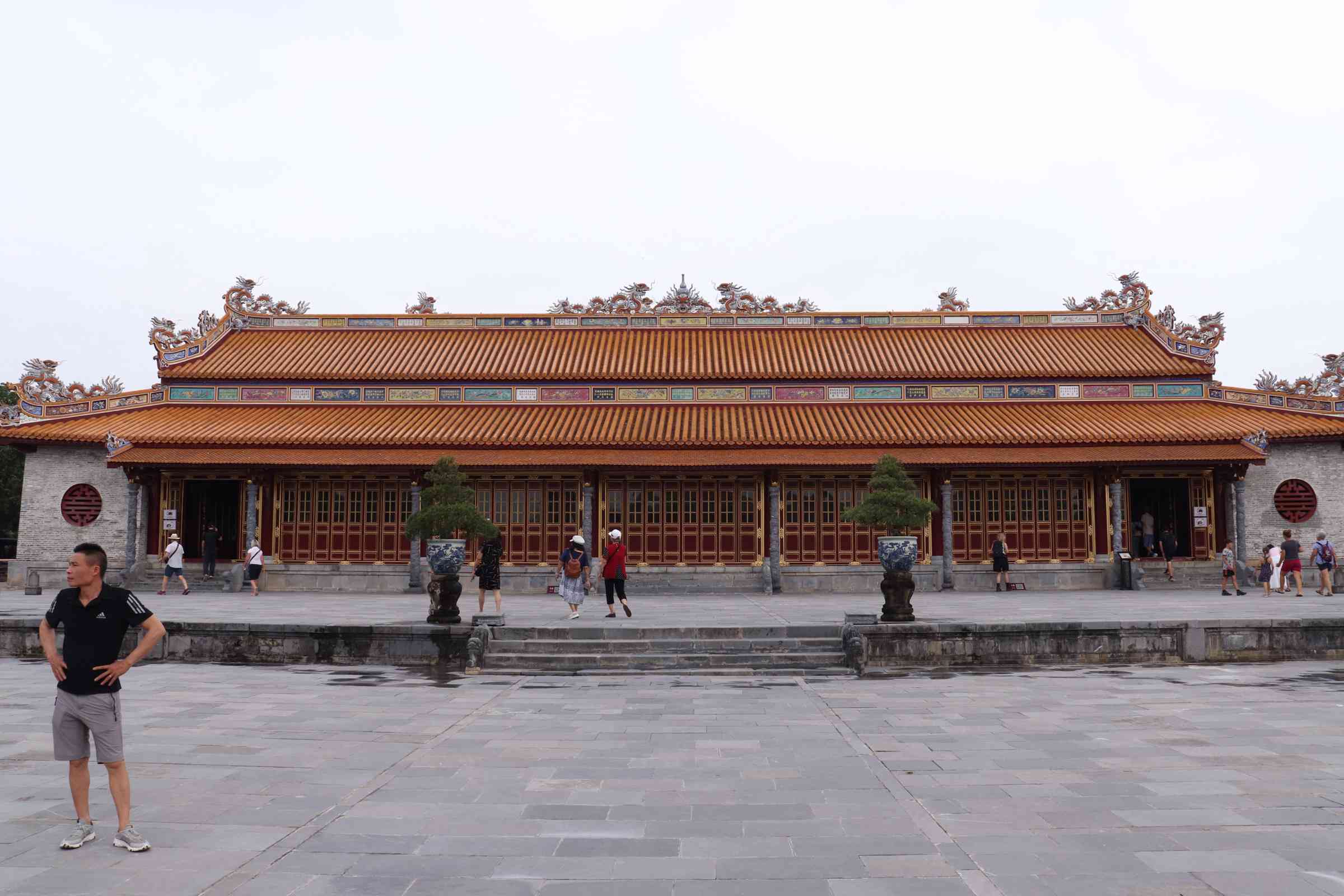
In exchange, I witnessed a very different kind of vitality. Under the cool shade of the trees, the Imperial City felt livelier with the vibrant colors of Ao Dai. There were elders, youngsters, tourists, and locals alike. It seems that here, you only need to stand in any random corner—from the cinnabar-red corridors to the courtyards paved with Bat Trang bricks—to capture a beautiful photograph. That beauty is effortless; it radiates from the harmony between ancient architecture and lush nature.
A Leisurely Morning for the Soul
March in Hue is unexpectedly pleasant. I saw families leading their children by the hand, and elderly couples resting by Thai Dich Lake. The Imperial City isn't just a monument; it feels like a "breathing space" for the city, where the frantic pace of the outside world suddenly slows down.
If you are like me—caught up in the hustle of life and forgetting the beauty right next to you—try spending a morning here.
- Entrance Fees: Adults: 200,000 VND; Children (7-12 years): 40,000 VND.
- Pro Tip: During major holidays (like Lunar New Year or Hue Liberation Day), the Hue Monuments Conservation Center often offers free entry for Vietnamese citizens. Be sure to check online for these specific dates.
Closing Thoughts
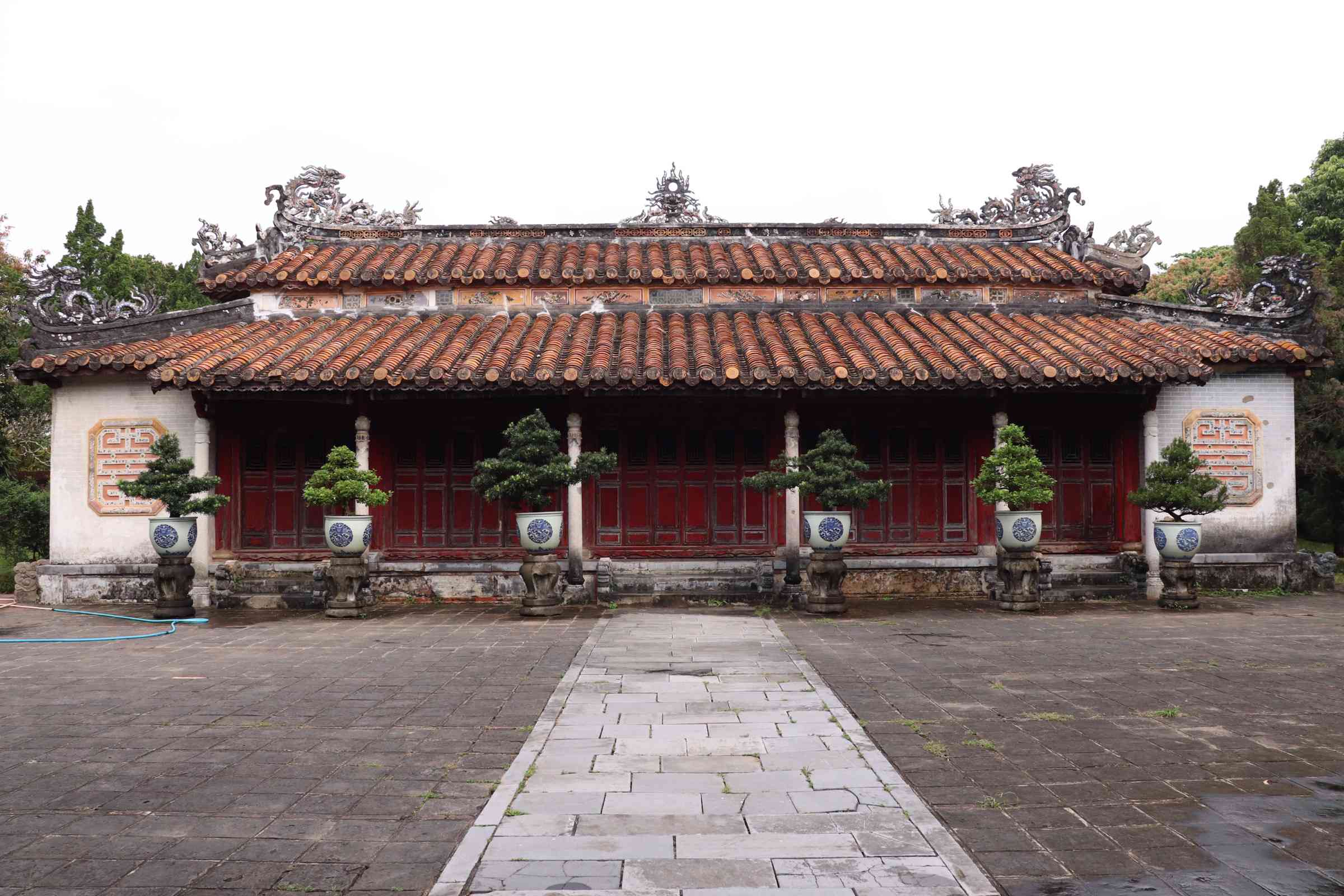
Walking out of the citadel gate as the sun climbed higher, I felt a sense of lightness. The Imperial City remains there, silent and embracing. This place isn't just a story of history; it’s a pride that flows through the veins of every person born in the Ancient Capital.
It turns out, we don't always need to travel far to find something grand. Sometimes, we just need to return, listen to the voices of old walls, and let our souls be healed by values that stand the test of time.