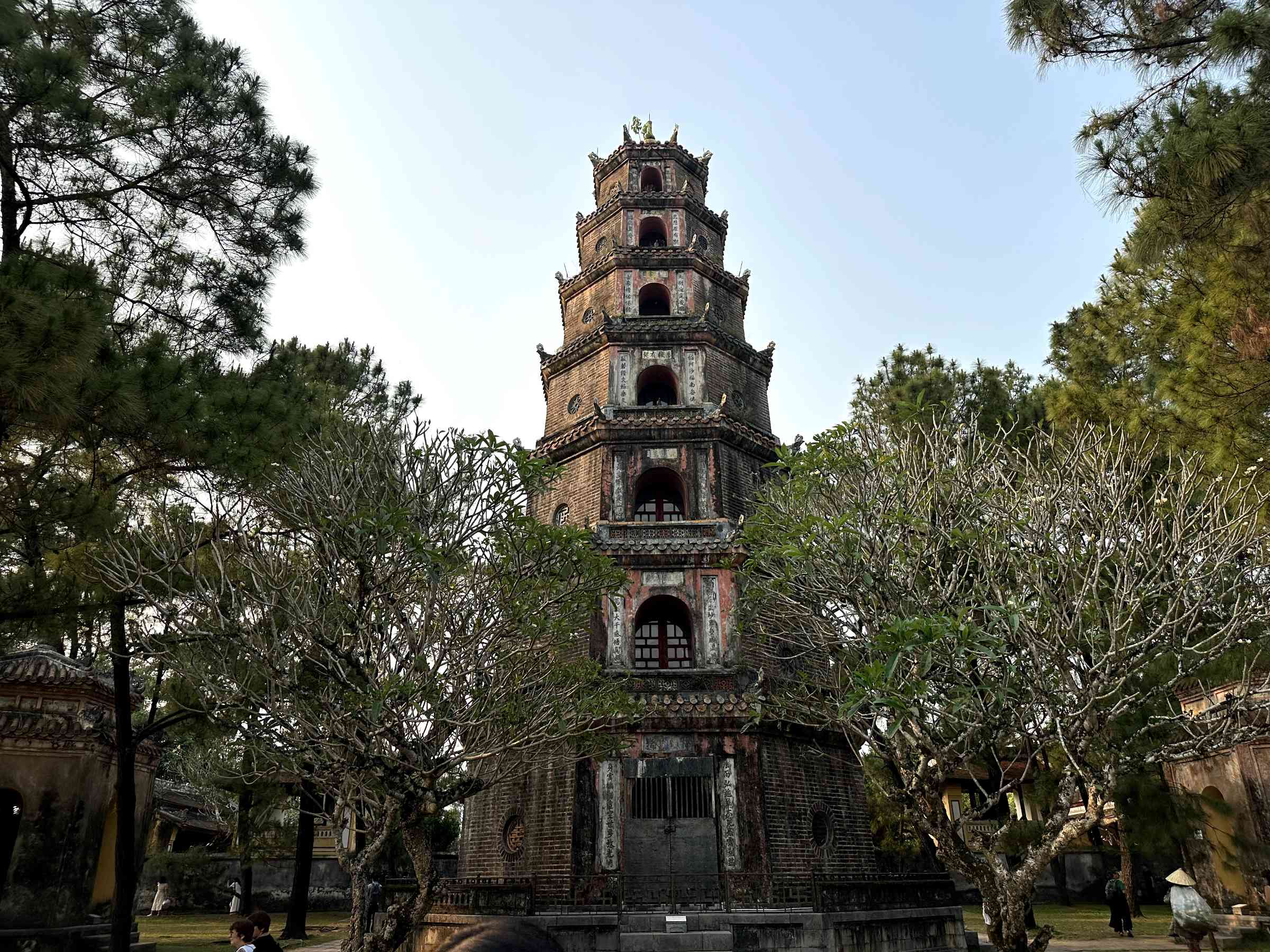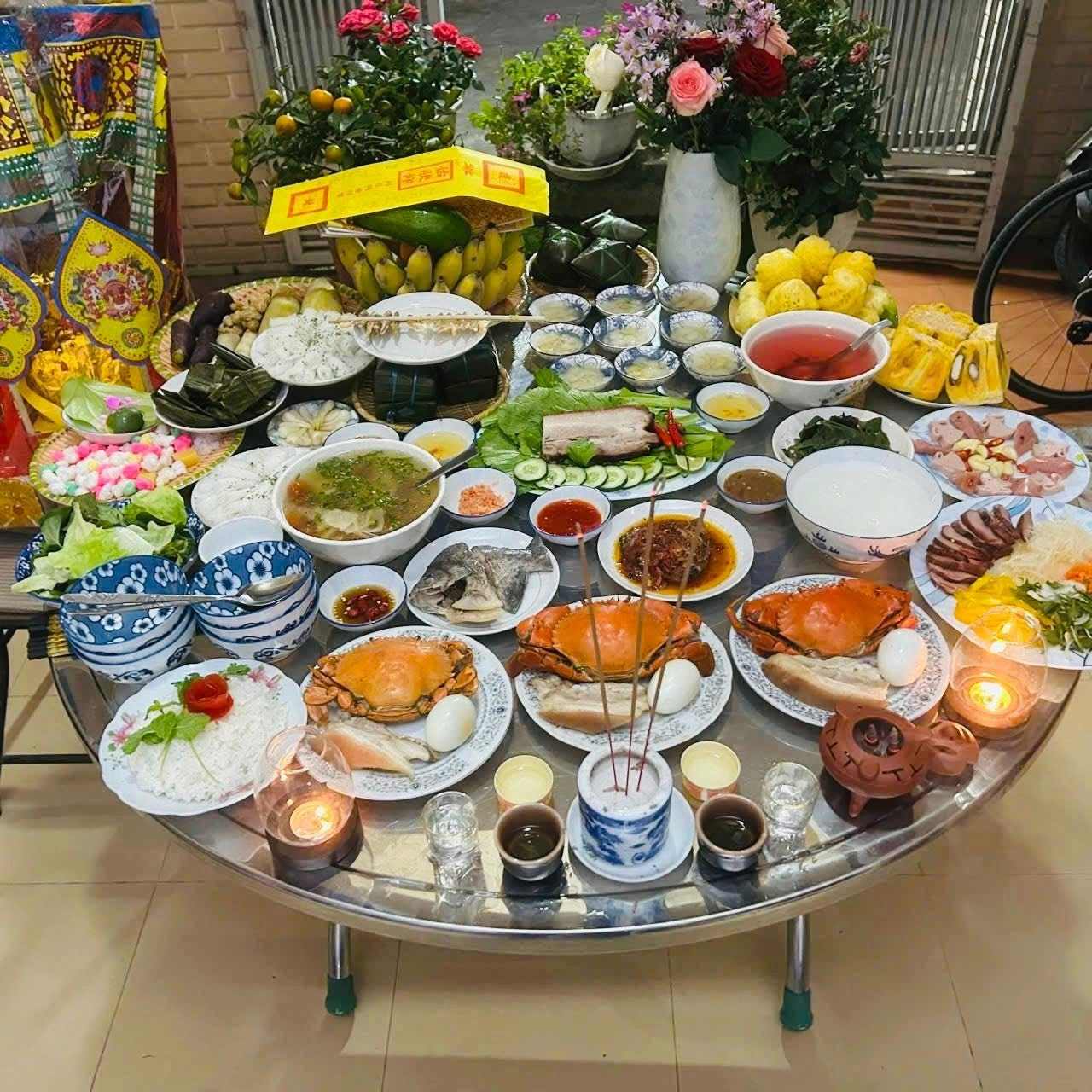
In the quiet afternoons of the second or eighth lunar month, if you wander through the ancient neighborhoods of Hue, you might encounter a peculiar yet serene sight. In the verandas of traditional houses, a meticulously arranged altar sits facing the courtyard. The thin, ethereal smoke of frankincense drifts through the air, mingling with the stillness of a city that refuses to rush.
This is Cúng Đất (The Earth Offering) – a ritual that might seem mysterious to an outsider, but to a local, it is a profound gesture of gratitude and a bridge between the living and the layers of history beneath their feet.
A Tale of "Old Souls" on New Land
The origins of this ritual are woven into the very fabric of Central Vietnam’s history. In 1306, when Princess Huyen Tran was wed to the Champa King Che Man, the lands of Chau O and Chau Ri (modern-day Hue) were gifted to the Dai Viet kingdom. As the first Vietnamese pioneers moved southward to settle here, they didn't just find empty land—they stepped onto a territory with its own indigenous culture, history, and "old souls."
The ancestors of Hue believed that since they were newcomers, they were essentially guests of the land.
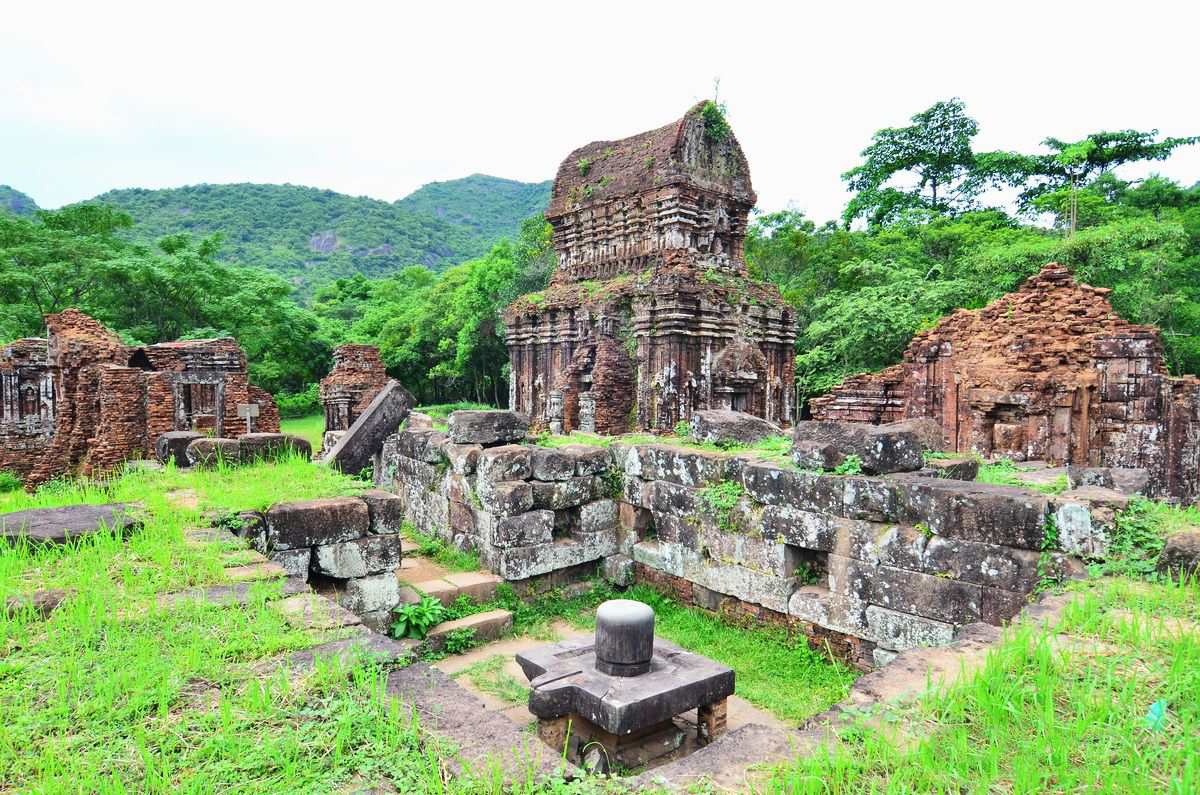
Source: Internet
“This land does not belong solely to us. We are living thanks to those who came before.”
Thus, the Earth Offering (also known as the Ky An Tho Than ceremony) was born. It is a formal request for permission and a heartfelt "thank you" to the Earth Deity (Tho Than) and the spirits of the predecessors—including the Champa people—who once called this soil home.
The Unspoken Rules of Respect
In Hue, spirituality is not a loud display; it is a quiet, disciplined practice. The ritual is usually held twice a year, during the transition of seasons. However, there is a subtle detail that showcases the local mindfulness: Hue people strictly avoid the Hour of the Tiger and the Day of the Tiger for this ceremony.
In folk belief, these times are when "the spirits cannot receive the offerings." While modern science might not have an explanation for this, for the people of Hue, it is a matter of ultimate respect. They don’t perform the ritual out of habit; they do it with intentionality.
Unlike other ceremonies, the altar is placed in the veranda, and the house owner stands inside, facing outward. It follows a rhythmic local proverb:
“Cúng đất cúng ra, cúng bà cúng vô.” (Offerings to the Earth face out; offerings to the Ancestors face in.)
The Three-Tiered Altar: A Universe in Miniature
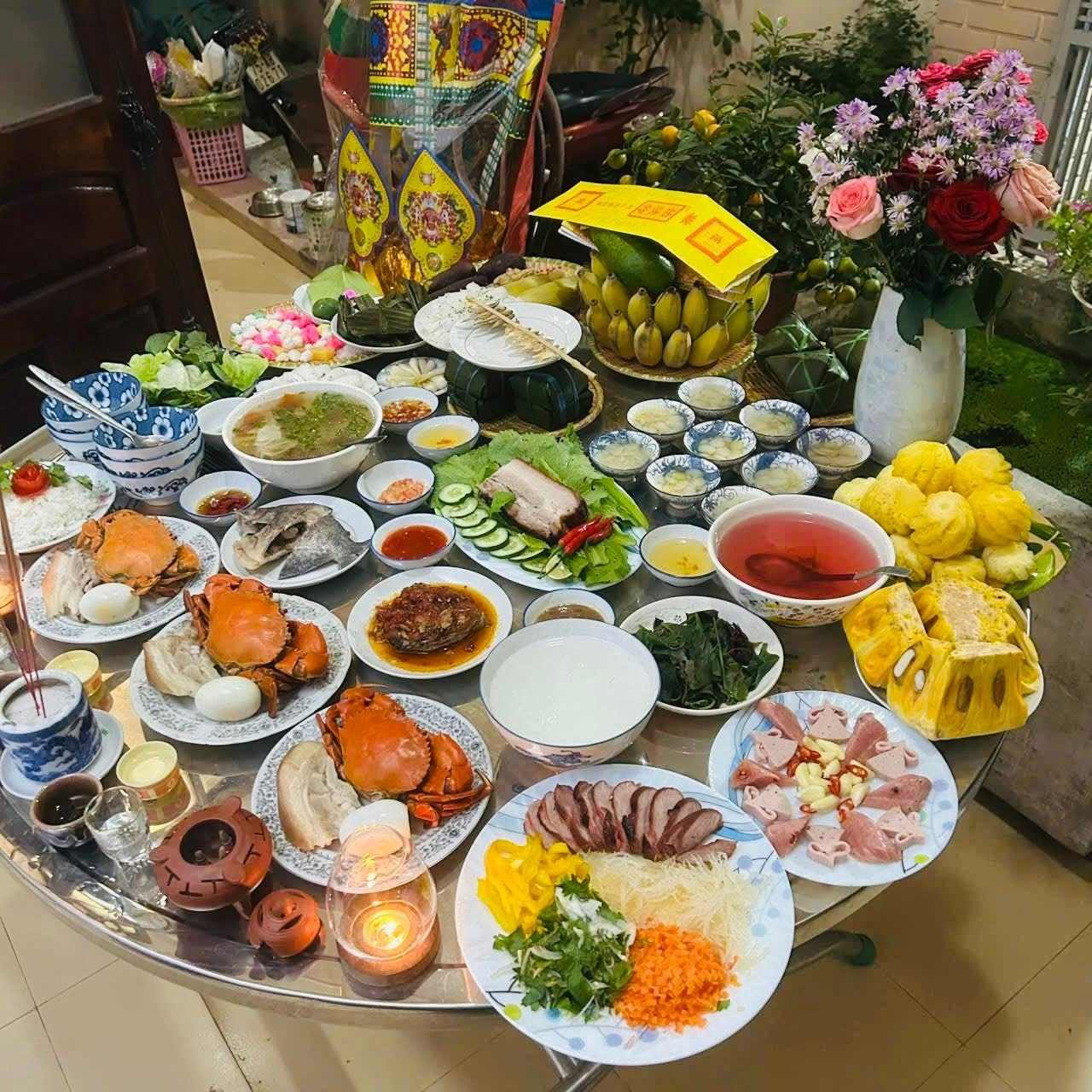
Source: Internet
A proper Earth Offering in Hue is a complex arrangement divided into three symbolic levels:
- The Upper Tier: Dedicated to the Earth Deity (Tho Than). It features ritual robes, a boiled rooster (specifically a young, vigorous one), sticky rice, sweet soup, and fresh flowers.
- The Middle Tier: Honoring the ancestors and former inhabitants. This includes "Five-Direction" robes, boiled pork served with salt, shrimp, boiled eggs, and—most importantly—grilled fish, a staple that honors the coastal and riverine heritage of the region.
- The Lower Tier: For the wandering souls and "soldiers" of the past. It consists of colorful paper robes, rice, salt, and humble gifts from the earth like boiled cassava, corn, and sweet potatoes.
Small Gestures, Deep Meaning
The "soul" of Hue is found in the smallest details. As the ceremony concludes, the host often takes a piece of a banana stem, folds it into a tiny basket, places a bit of food and ritual paper inside, and hangs it by the gate. This is a "traveling snack" for the wandering spirits on their journey back—a gesture of profound thoughtfulness and empathy for the unseen.
After the ritual, the rooster’s feet are carefully kept and examined by elders. It is believed that the signs on the feet carry messages about the family’s fortune for the coming year. It isn't just about prediction; it’s about finding a sense of peace and a spiritual anchor in an unpredictable world.
Superstition or the Beauty of Gratitude?
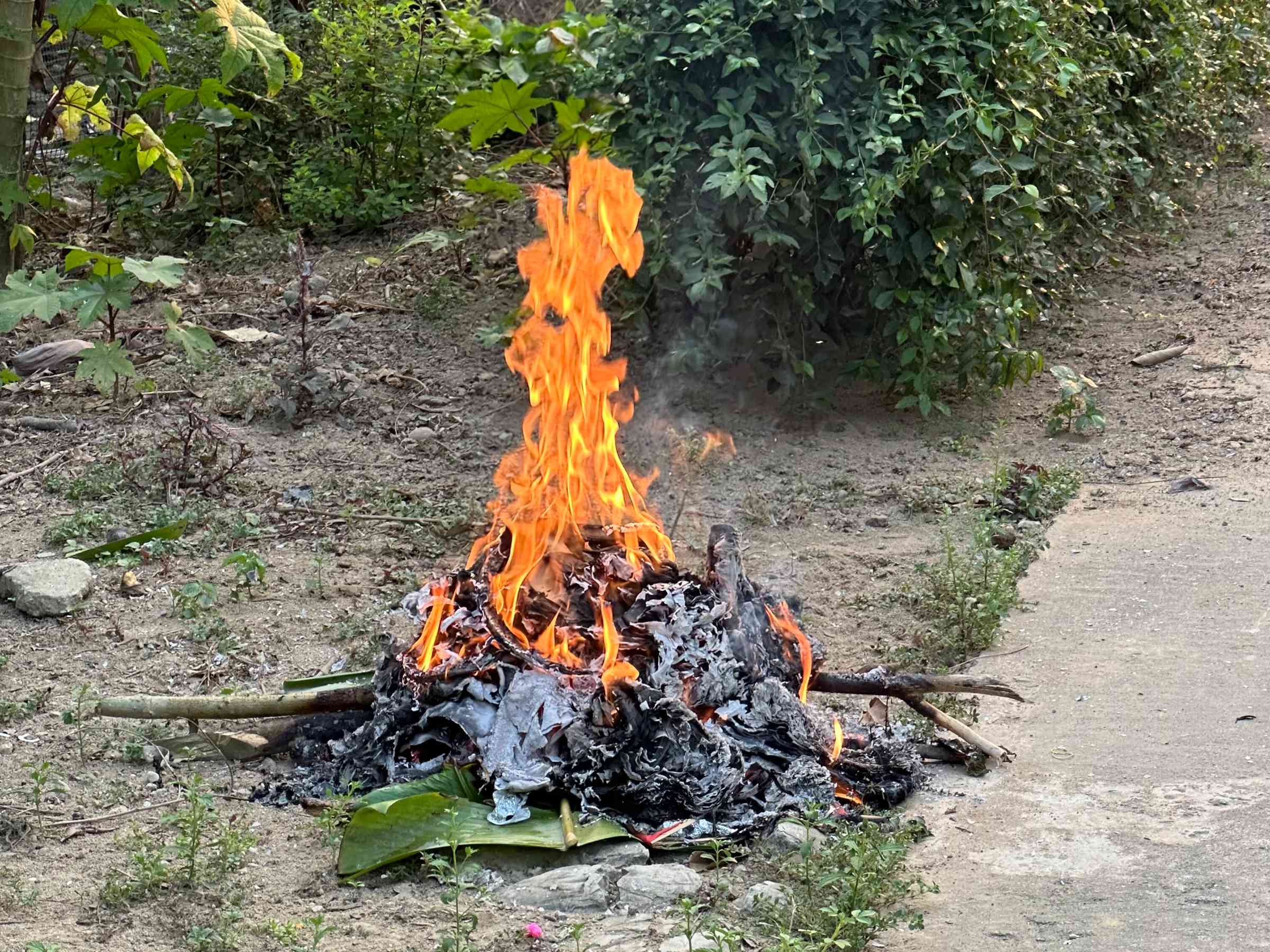
To a rationalist, such rituals might seem unnecessary. But if viewed through the lens of the heart, the Earth Offering is how Hue stays connected to its roots.
In an era of rapid modernization, Hue continues to uphold these traditions because its people choose to live deeply and slowly. They do not easily let go of what belongs to memory.
Cúng Đất is not performed out of fear. It is performed because of… remembrance and gratitude.
Traveler’s Note: If you are exploring the spiritual culture of Hue, the Earth Offering is one of the most authentic glimpses into the local psyche. It reflects the essence of the "Ancient Capital" resident: meticulous, gentle, and deeply respectful of the past.